| Page 5 | Kisaco Research

In the modern era of AI-driven in silico approaches for target selection and lead compound identification, companies must navigate nuanced and unresolved patentability issues, centred on inventorship, disclosure, novelty and non-obviousness. In parallel, regulatory agencies are scrutinising AI algorithms, data provenance and transparency within MA dossiers. To combat this, companies must tightly align their IP and regulatory strategies to secure defensible IP and exclusivity positions for their AI-assisted inventions.

This session will address the key unanswered questions surrounding AI patentability and examine the strategies available to you for securing comprehensive patent protection and straightforward regulatory approval for your latest AI-assisted inventions.

- Should you disclose the use of AI in generating a lead compound on a patent application?
- What are the potential consequences of not disclosing AI use for downstream litigation?
- How are patent offices evaluating key issues around inventorship, disclosure, novelty and non-obviousness for AI-assisted inventions?
- How are regulatory authorities handling AI use during drug discovery processes?
- How should patent drafting strategies for AI-assisted invention be shaped to align with downstream regulatory requirements?
- To what extent should human decision-making be documented during the AI-assisted drug discovery process?
- How and to what extent should IP and Regulatory leads brief R&D teams on their use of AI?

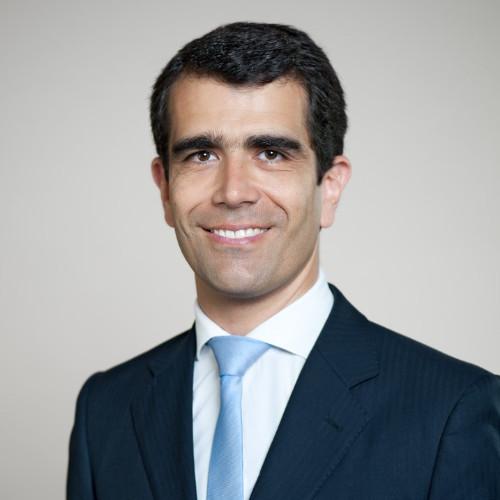
Author:

Daphné Derouane

Associate General Patent Counsel
UCB

Daphné Derouane

Associate General Patent Counsel
UCB

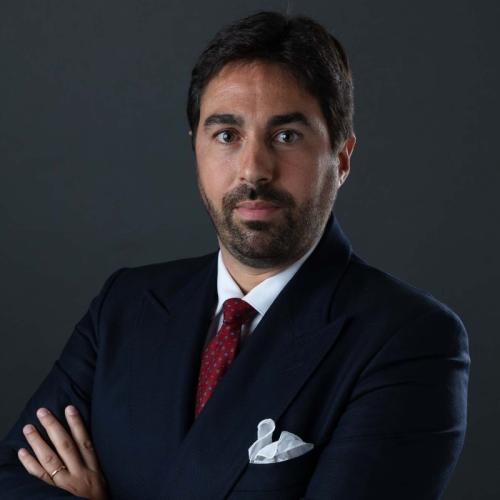
Author:

Frank Landolt

Chief Counsel IP & Legal
Confo Therapeutics

Frank Landolt is Chief Counsel, Intellectual Property and Legal at Confo Therapeutics, a privately held biopharmaceutical start-up based in Ghent, Belgium specializing in GPCR-targeted therapeutics.

After studying chemistry and law at the University of Leiden in the Netherlands, Frank worked for almost ten years on pharmaceutical and biotechological patents and licensing in private practice in the Netherlands, where his clients included major pharmaceutical companies as well as some of the top biotech firms and research institutions in the Netherlands. 

Prior to joining Confo in 2018, Frank worked for fifteen years in Ablynx N.V. (now a wholly owned Sanofi company), where he was a member of the management team and headed an integrated IP and legal group of four lawyers and five patent professionals. At Ablynx, Frank was involved in negotiating Ablynx’s strategic partnerships and licensing deals with AbbVie, Boehringer-Ingelheim, MSD, Merck-Serono, Novartis, Novo Nordisk, Sanofi and Wyeth. 

From 2000 to 2004, Frank was director of IP and legal counsel at Devgen N.V. (now part of Syngenta), another Ghent-based biotechnology company, where he was involved in negotiating Devgen’s strategic collaborations with Sumitomo, Monsanto and DuPont Pioneer.

Frank is a Dutch and European patent attorney, and also holds a degree in business law from the University of Antwerp. He is a member of the Dutch association of patent attorneys (where he is a tutor for the professional qualification course), EPI and LES Benelux (where he is involved in the LES Licensing Course). He is a regular speaker on a range of topics relating to IP and licensing in the (bio)pharmaceutical sector. Frank was named as one of Managing IP’s ‘Corporate IP stars’ for four years in a row (2015-2018).

Frank Landolt

Chief Counsel IP & Legal
Confo Therapeutics

Frank Landolt is Chief Counsel, Intellectual Property and Legal at Confo Therapeutics, a privately held biopharmaceutical start-up based in Ghent, Belgium specializing in GPCR-targeted therapeutics.

After studying chemistry and law at the University of Leiden in the Netherlands, Frank worked for almost ten years on pharmaceutical and biotechological patents and licensing in private practice in the Netherlands, where his clients included major pharmaceutical companies as well as some of the top biotech firms and research institutions in the Netherlands. 

Prior to joining Confo in 2018, Frank worked for fifteen years in Ablynx N.V. (now a wholly owned Sanofi company), where he was a member of the management team and headed an integrated IP and legal group of four lawyers and five patent professionals. At Ablynx, Frank was involved in negotiating Ablynx’s strategic partnerships and licensing deals with AbbVie, Boehringer-Ingelheim, MSD, Merck-Serono, Novartis, Novo Nordisk, Sanofi and Wyeth. 

From 2000 to 2004, Frank was director of IP and legal counsel at Devgen N.V. (now part of Syngenta), another Ghent-based biotechnology company, where he was involved in negotiating Devgen’s strategic collaborations with Sumitomo, Monsanto and DuPont Pioneer.

Frank is a Dutch and European patent attorney, and also holds a degree in business law from the University of Antwerp. He is a member of the Dutch association of patent attorneys (where he is a tutor for the professional qualification course), EPI and LES Benelux (where he is involved in the LES Licensing Course). He is a regular speaker on a range of topics relating to IP and licensing in the (bio)pharmaceutical sector. Frank was named as one of Managing IP’s ‘Corporate IP stars’ for four years in a row (2015-2018).

Author:

Keisha Hylton Rodic

Founder & Managing Principal
Hylton-Rodic Law

Keisha Hylton Rodic

Founder & Managing Principal
Hylton-Rodic Law

Armed conflict, pricing interventions, the weaponisation of tariffs and intensifying policy competition between major jurisdictions are rapidly reshaping the global operating environment for life science organisations. As geopolitical tensions rise, companies must ensure that international relations are appropriately factored into their approaches to cross-border transactions, global market planning and long-term legal decision-making.

This cross-practice keynote will examine how geopolitical developments are reshaping legal strategy across the life sciences sector, and what this means for how you and your company should approach international investment and global deal-making.

- How are geopolitical tensions and policy interventions, including U.S. MFN pricing and the BIOSECURE Act, reshaping the legal and commercial risks life science companies must manage across global markets?
- How are life science legal teams adapting global strategy in response to increasing government intervention in drug pricing, trade policy and supply chains?
- How are geopolitical risks influencing how companies structure and execute cross-border life science transactions, including M&A, partnership and licensing agreements?
- How should legal teams balance geopolitical risk with commercial opportunity when pursuing international investment and strategic partnerships?

Author:

David Lawless

Senior Director, Assistant General Counsel
Regeneron

David Lawless

Senior Director, Assistant General Counsel
Regeneron

Author:

Charles Sermon

Co-Founder, General Counsel and Business Development
Mereo BioPharma

Charles Sermon

Co-Founder, General Counsel and Business Development
Mereo BioPharma

Author:

Rob Rodrigues

Partner
RNA law

Rob Rodrigues

Partner
RNA law

The EU Pharma Package is poised to reshape the commercial landscape for life science companies operating in Europe, with far-reaching implications for pricing, reimbursement negotiations and market access strategy across Member States. Reforms to exclusivity incentives and measures designed to accelerate generic entry could significantly influence pricing dynamics and the way companies approach reimbursement discussions across the region.

This session will explore how the EU Pharma Package could reshape pricing and reimbursement (P&R) dynamics across the EU, and what these changes may mean for your company’s strategic decisions around launch planning, portfolio prioritisation and long-term participation in the European life science market.

- How could changes to exclusivity incentives and earlier generic entry under the EU Pharma Package affect pricing dynamics across Member States?
- What implications might the reforms have for national P&R negotiations, including tender systems and reference pricing mechanisms?
- How might companies need to adapt their market access strategy and launch planning in response to increased pricing pressure?
- Could the reforms alter how companies prioritise product portfolios and decide whether and when to launch medicines in the European market?

Author:

Alexander Natz

Secretary General
EUCOPE

Alexander Natz

Secretary General
EUCOPE

Author:

Polyxeni Kyriopoulou

Head of Legal
Elpen Pharmaceuticals

Polyxeni Kyriopoulou

Head of Legal
Elpen Pharmaceuticals

The EU Pharma Package’s controversial expansion of the Bolar exemption has the potential to recalibrate launch timing, litigation leverage and competitive dynamics across the originator-generic divide. The reform directly challenges traditional assumptions about the protective scope of patent rights and the practical meaning of exclusivities in Europe, while inviting direct comparison with the U.S. Hatch-Waxman safe harbor framework.

This session will explore the expanded Bolar exemption and its broad implications across the sector, addressing how national courts are likely to interpret the legislation and how the new provisions compare with established U.S. safe harbor frameworks. Gain an enhanced understanding of how this landmark shift at the interface of IP and regulatory strategy will impact your life science legal work, and receive exclusive advice to help you adjust to the new provisions with confidence.

- What is the scope of the expanded Bolar exemption under the EU Pharma Package, and how does it compare with the U.S. Hatch-Waxman safe harbor?
- Will the expanded provisions actually enable day one generic entry in practice?
- How will expansions to the Bolar exemption play out in the national courts?
- How will incorporating aspects of pricing, public tender and reimbursement into the new provisions interplay with existing IP rules?
- Where do the core risks now lie for innovators, biosimilars and generics? How can they be minimised?
- What are the downstream implications of these legislative changes for patent litigation strategies?

Author:

Filipe Pedro

Director of Intellectual Property
BIAL

Filipe Pedro

Director of Intellectual Property
BIAL

Author:

Patrícia Paias

Partner
Antas da Cunha

Patrícia Paias

Partner
Antas da Cunha

The CMA marks a structural shift in EU life science policy, introducing new definitions, supply obligations, disclosure requirements and procurement mechanisms that will directly impact pricing, manufacturing strategy and governance frameworks. It signals a move from crisis-driven coordination towards a permanent resilience regime, embedding supply security and transparency as enforceable regulatory objectives.

This session will dissect this important new legislative framework, addressing its key aims, uncertainties and implications for your company.

- What will constitute a critical medicine?

- How will the Act work in practice?

-How will the responsibility for its implementation be divided between the Commission and Member States?

- What incentives or other support will companies receive for diversifying their supply chains towards Europe and participating in Strategic Partnerships?

- How will the new public and collaborative procurement initiative influence pricing dynamics?

- How will supply continuity obligations for critical medicines be enforced? Where is the litigation risk, and what is the scope for force majeure?

- What supply chain information will need to be disclosed/reported? What steps will be taken to protect commercially sensitive information?

- How will the Act interplay with the EU HTA Regulations and other legislative frameworks?

The EU Pharma Package replaces the long-standing certainty of fixed-term RDP and market exclusivity with a more complex and ambiguous system of incentives linked to operational and product requirements. By conditioning additional exclusivities, the reform has introduced a significant new layer of uncertainty that will require companies to recalibrate proactively across IP, regulatory and broader corporate functions.

This session will examine the Pharma Package’s changes to RDP and market exclusivity, and discuss the implications of this marked departure from the status quo for legal strategy across the life sciences sector. Hear expert insights into how the new legislation will alter the complex interplay between your IP, regulatory and overall business strategies, and position your company to respond successfully to an era-defining shift in the European regulatory landscape.

- How feasible will it be for companies to meet the criteria for beyond-baseline extensions to regulatory exclusivities on pharmaceuticals?

- What does “unmet medical need” mean in a legal context? How will this be evaluated in practice?

- How are exclusivities and incentives changing for paediatric medicines, priority antimicrobials and orphan medicinal products?

- How feasible are the criteria for SPC extensions under the EU Biotech Act? How will they be assessed?

Author:

Alexander Natz

Secretary General
EUCOPE

Alexander Natz

Secretary General
EUCOPE

Author:

Axel Korth

Head Legal DACH/UK&I/Nordics & CEE
Biocon

Axel Korth

Head Legal DACH/UK&I/Nordics & CEE
Biocon

The EU Pharma Package and the proposed EU Biotech Act together represent the most significant legislative intervention in the European life science sector in over two decades. Taken together, these initiatives signal a broader policy shift to recalibrate how the EU balances access to medicines and innovation incentives with the long-term competitiveness of its life sciences industry.

Building on the opening keynote, this holistic discussion will examine the strategic policy objectives underpinning the EU Pharma Package and Biotech Act, and explore how they are expected to reshape innovation, access and competition across the European market. Panellists will assess the cross-practice implications of key legislative changes and consider what the combined effect of these landmark reforms might be for competitive dynamics within Europe and the region’s position in the global life sciences market.

- What collective strategic objectives are the EU Pharma Package and Biotech Act seeking to achieve for the European life sciences sector?

- How might the EU Pharma Package reshape the crucial interplay between IP and regulatory exclusivities, and what knock-on effects could this have for broader corporate strategy across the sector?

- How could the combined effect of the Pharma Package and the EU Biotech Act influence the competitive balance between originator, small-molecule generic and biosimilar companies?

- Taken together, will the Pharma Package and Biotech Act be set to strike the right balance between access to medicines, innovation incentives and the EU’s global competitiveness?

Author:

Kristine Peers

General Counsel
EFPIA

Kristine Peers

General Counsel
EFPIA

Author:

Sergio Napolitano

General Counsel & Executive Director, Legal & International Affairs
Medicines for Europe

Sergio Napolitano

General Counsel & Executive Director, Legal & International Affairs
Medicines for Europe
 

Pascal Weinberger

Deputy CEO
Owkin

Pascal Weinberger is Deputy CEO of Owkin, a leading agentic AI company transforming biomedical research and drug discovery with advanced AI systems that reason across complex biological data. He also serves on the Board of the World Foundation. Prior to his current role, Pascal co-founded Bardeen.ai, a pioneering AI company focused on workflow automation using AI agents to streamline repetitive tasks across web apps.

Pascal Weinberger

Deputy CEO
Owkin

Pascal Weinberger

Deputy CEO
Owkin

Pascal Weinberger is Deputy CEO of Owkin, a leading agentic AI company transforming biomedical research and drug discovery with advanced AI systems that reason across complex biological data. He also serves on the Board of the World Foundation. Prior to his current role, Pascal co-founded Bardeen.ai, a pioneering AI company focused on workflow automation using AI agents to streamline repetitive tasks across web apps.


Before his entrepreneurial journey with Bardeen and Owkin, Pascal built and scaled ventures in AI and led the AI team at Telefonica Alpha, Europe’s first moonshot factory, where he drove breakthrough research and innovation.
An active angel investor, Pascal supports early-stage deep-tech and AI companies around the world.

What Fashion Can Teach Global Supply Chains About True Traceability
 

Eileen Smink, JD, CHC, CCEP

Vice President of Compliance
Lone Peak Dental Group

Eileen Smink is a seasoned compliance professional with more than 25 years of experience leading compliance and privacy programs across healthcare and other highly regulated industries. As Vice President of Compliance at Lone Peak Dental Group, she oversees enterprise-wide compliance strategy, focusing on centralization, proactive risk management, and operational alignment across a multi-state organization.

Eileen Smink, JD, CHC, CCEP

Vice President of Compliance
Lone Peak Dental Group

Eileen Smink, JD, CHC, CCEP

Vice President of Compliance
Lone Peak Dental Group

Eileen Smink is a seasoned compliance professional with more than 25 years of experience leading compliance and privacy programs across healthcare and other highly regulated industries. As Vice President of Compliance at Lone Peak Dental Group, she oversees enterprise-wide compliance strategy, focusing on centralization, proactive risk management, and operational alignment across a multi-state organization.

Prior to joining Lone Peak in 2024, Eileen served as Government Programs Compliance Officer at GuideWell Source, a Medicare Administrative Contractor. Her career includes leadership roles in compliance, privacy, and legislative affairs at American Insurance Administrators, DermOne, Highmark, and United Concordia. Her expertise spans Medicare and Medicaid compliance, audit and monitoring, privacy and data protection, and enterprise risk management.

Eileen holds a Juris Doctor from Widener University School of Law, a Bachelor of Social Sciences in Public Policy from The Pennsylvania State University, and an Associate of Applied Science in Dental Hygiene from Pennsylvania College of Technology. She is a licensed attorney and holds certifications including Certified Compliance & Ethics Professional (CCEP) and Healthcare Health and Safety Specialist (HHS).