| Page 13 | Kisaco Research

As life sciences patent disputes increasingly span multiple jurisdictions and rely on a wider range of venues beyond the traditional US forums, litigation in the ITC, UPC and Brazil are becoming increasingly viable options. This session compares the benefits of these jurisdictions and sequencing forums to maximise leverage, manage risk, and protect market access across the ITC, UPC and Brazil.

  • Deciding between the ITC, UPC, and Brazil based on speed, remedies, and procedural posture.
  • When ITC Section 337 actions provide strategic advantage alongside or instead of Hatch-Waxman or BPCIA litigation.
  • How the UPC and Brazilian courts offer injunction pressure unavailable in US proceedings.
  • How venue choice affects discovery scope, timing, and settlement leverage in pharma and biologics patent disputes.
  • Coordinating US, European, and Brazilian actions to manage estoppel, delay, and strategic enforcement.
Author:

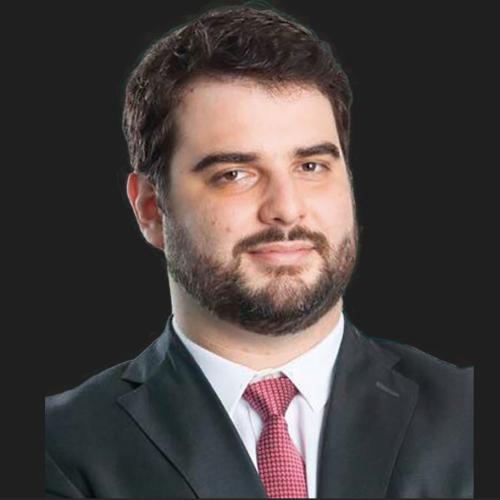
Eduardo Hallak

Partner
Licks Attorney

Eduardo Hallak is one of the founding partners at Licks Attorneys and one of our leaders at the Sao Paulo office. For more than a decade, he has been working as a litigator before state and federal courts in Brazil in several complex disputes and leading cases involving Patent law, competition, and regulatory compliance, most of them pursuing the interests of clients in the area of life sciences. He also has extensive practice in trademark litigation as well as technology transfer contracts, working together with multinational clients to establish strong brand protection and licensing programs in the country. Mr. Hallak also currently teaches IP litigation in the Post-Graduation course at the prestigious Pontifical Catholic University of Rio de Janeiro (PUCRJ), has taught Civil Procedure at the at the Brazilian Association of IP Agents (ABAPI), and is often invited to lecture on procedural and strategic aspects of IP litigation, in addition to being a member of the Special Commission on Mediation of the Rio de Janeiro Chapter of the Brazilian Bar Association (OABRJ) and the Enforcement Committee of INTA.
Eduardo Hallak

Partner
Licks Attorney

Eduardo Hallak is one of the founding partners at Licks Attorneys and one of our leaders at the Sao Paulo office. For more than a decade, he has been working as a litigator before state and federal courts in Brazil in several complex disputes and leading cases involving Patent law, competition, and regulatory compliance, most of them pursuing the interests of clients in the area of life sciences. He also has extensive practice in trademark litigation as well as technology transfer contracts, working together with multinational clients to establish strong brand protection and licensing programs in the country. Mr. Hallak also currently teaches IP litigation in the Post-Graduation course at the prestigious Pontifical Catholic University of Rio de Janeiro (PUCRJ), has taught Civil Procedure at the at the Brazilian Association of IP Agents (ABAPI), and is often invited to lecture on procedural and strategic aspects of IP litigation, in addition to being a member of the Special Commission on Mediation of the Rio de Janeiro Chapter of the Brazilian Bar Association (OABRJ) and the Enforcement Committee of INTA.

Author:

Molly Grammel

Partner
Goodwin Procter LLP

Molly Grammel

Partner
Goodwin Procter LLP
 

Rama Elluru

Senior Advisor for AI Governance and Intellectual Property
Special Competitive Studies Project

Rama Elluru

Senior Advisor for AI Governance and Intellectual Property
Special Competitive Studies Project

Rama Elluru

Senior Advisor for AI Governance and Intellectual Property
Special Competitive Studies Project

From MedTech devices and AI-enabled hardware to cloud platforms and AI drug discovery, AI technologies are increasingly central to inventorship and innovation across sectors. As AI becomes embedded in regulated medical technologies such as Software as a Medical Device (SaMD) and AI-enabled diagnostics, new evidentiary and regulatory considerations are emerging in patent disputes. This session reviews recent AI-related patent cases and examines how courts are shaping litigation and portfolio strategy going forward.

  • How are parameters around patent eligibility evolving in AI cases.
  • How litigation strategy and outcomes vary across a range of tech sectors including AI-enabled hardware, software, multifunction innovation products and MedTech.
  • Address new evidentiary and regulatory considerations for handling AI in regulated technologies such as SaMD.
  • How are infringement theories are being used in AI patent litigation.
  • A review of recent cases like Nueral AI, LLC v. NVIDIA Corp., and Solos Technology’s complaint against Meta and EssilorLuxottica.

Author:

Erin Bell

Senior Corporate Counsel
Premier Inc

Erin Bell

Senior Corporate Counsel
Premier Inc

Author:

Martin McGee

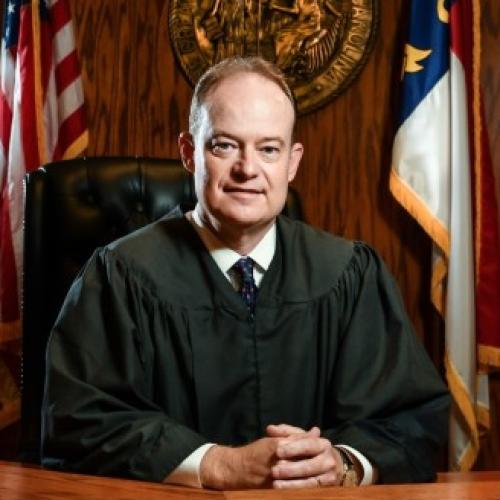
Honorable Judge
State of North Carolina, Judicial District

Martin McGee

Honorable Judge
State of North Carolina, Judicial District

Author:

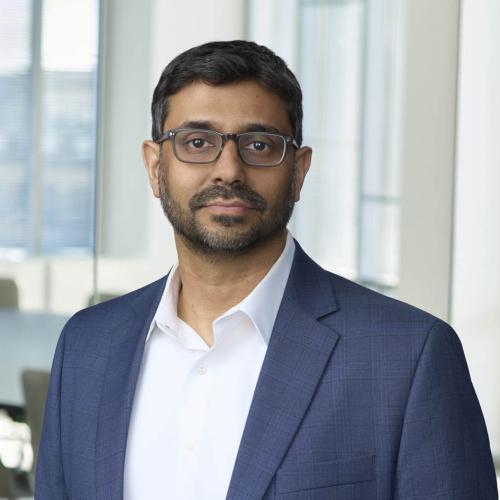
Nirav Desai

Partner
Sterne Kessler

Nirav Desai

Partner
Sterne Kessler

Author:

Rama Elluru

Senior Advisor for AI Governance and Intellectual Property
Special Competitive Studies Project

Rama Elluru

Senior Advisor for AI Governance and Intellectual Property
Special Competitive Studies Project
 

Nirav Desai

Partner
Sterne Kessler

Nirav Desai

Partner
Sterne Kessler

Nirav Desai

Partner
Sterne Kessler

The rise of the 505(b)(2) pathway is changing how branded pharmaceutical and biotech companies approach lifecycle management and litigation. Unlike ANDA generics, 505(b)(2) applicants can enter earlier with differentiated products while relying on branded data, creating a hybrid competitive threat that often falls outside traditional Orange Book assumptions. Join this workshop to hear a discussion around defence strategies from a panel of experts from the generic and innovator industries.

  • How in-house teams can identify and defend against 505(b)(2) challenges.
  • Distinguish ANDA generics from 505(b)(2) applicants and the implications for defence strategy.
  • Identify early warning signs through development activity, regulatory engagement, and competitor monitoring.
  • Analyse how formulation, dosing, and delivery changes are used to avoid listed patents.

Author:

Chris Slavinsky

Chief Legal Officer
Innovo Research

Chris Slavinsky

Chief Legal Officer
Innovo Research

Under Director Squires’ leadership, the PTAB has seen reduced reliance on discretionary denials and a recalibrated role for inter partes review. This session brings together former PTAB faculty and experienced PTAB litigators to examine how institution standards are being applied in practice, why certain challenges are proving less viable than before, and when alternatives such as ex parte re-examination may offer a more effective path.

  • Why challengers are re-assessing IPR risk and turning to ex parte re-examination, including trade-offs around timing, estoppel, and examiner workload.
  • How patent owners are using PTAB uncertainty to influence parallel litigation and settlement leverage.
  • Practical guidance on selecting and sequencing invalidity tools in the current PTAB environment
  • Consider venues in alternative jurisdictions such as the EPO and UPC.

Author:

Deborah Sterling

Director
Sterne Kessler

Deborah Sterling

Director
Sterne Kessler

Author:

Ryan Daniel

Associate General Counsel
Fresenius Kabi

Ryan Daniel

Associate General Counsel
Fresenius Kabi

Author:

Victoria Reines

Principal Counsel
Sanofi

Victoria Reines

Principal Counsel
Sanofi

This judges’ panel offers candid insight into how courts approach patent disputes involving complex technologies, including software, electronics, and standards-based products. Drawing on recent decisions and, judges from key US jurisdictions will discuss what most influences outcomes from claim construction and technical tutorials to expert testimony and damages models.

Author:

Klaus Grabinski

Honorable Judge & President of the Court of Appeals
Unified Patent Court (UPC)

Klaus Grabinski

Honorable Judge & President of the Court of Appeals
Unified Patent Court (UPC)

Author:

Martin McGee

Honorable Judge
State of North Carolina, Judicial District

Martin McGee

Honorable Judge
State of North Carolina, Judicial District

Hatch-Waxman case outcomes are often decided by early choices that shape risk, cost, and leverage long before trial. This session offers a structured review of how companies are building and defending Hatch-Waxman cases, from the first Paragraph IV notice through to final judgement.

  • Identify strategic decision points from Paragraph IV notice to trial, and where early decisions most influence outcomes.
  • Review recent key Hatch-Waxman cases, such as Jazz Pharmaceuticals, Inc. v. Avadel CNS Pharmaceuticals, LLC (Fed. Cir. 2025), and Jazz Pharmaceuticals, Inc. v. Avadel CNS Pharmaceuticals, LLC (Fed. Cir. 2025); examine how their outcomes have influenced litigation strategy.
  • Managing evidence, discovery scope, and expert strategy.
  • Compare US Hatch-Waxman litigation strategy to parallel approaches in Canada and other key jurisdictions, including differences in timing, remedies and leverage.

Author:

Jim Harrington

Chief Intellectual Property Counsel
Vera Therapeutics

Jim Harrington

Chief Intellectual Property Counsel
Vera Therapeutics

Author:

Laura Chubb

Director – Global IP Litigation
Organon

Laura Chubb

Director – Global IP Litigation
Organon